
A metronome is an essential tool for musicians of all levels, providing a steady tempo to aid in practice and performance. This device helps musicians maintain consistent timing, develop a strong sense of rhythm, and improve their overall musicianship.
Understanding what a metronome is, how it works, and how to use it effectively can greatly enhance your practice sessions. In this article, we will explore the history of the metronome, its various types, how it works, and practical tips for incorporating it into your practice routine.
Table of contents
What is a Metronome?
A metronome is a device that produces a regular sound or signal to help musicians maintain a steady and consistent tempo. The primary purpose of a metronome is to provide a steady beat, which is crucial for developing timing, rhythm, and precision in music performance.
The speed at which a metronome ticks is measured in beats per minute (BPM). The higher the BPM is set, the faster the tempo will be. The BPM can be set to various speeds, allowing musicians to practice at different tempos.
The History of the Metronome
The concept of a metronome dates back to the early 19th century. In 1815, Johann Maelzel, a German inventor, patented the first mechanical metronome, although the idea was originally conceived by Dietrich Nikolaus Winkel.
Maelzel’s device, called the “Maelzel Metronome,” quickly gained popularity among musicians and composers, including Ludwig van Beethoven, who was one of the first to use tempo markings in his compositions.

Types of Metronomes
Metronomes come in various forms, each with its own features and benefits. The main types that you might encounter include:
Mechanical Metronomes
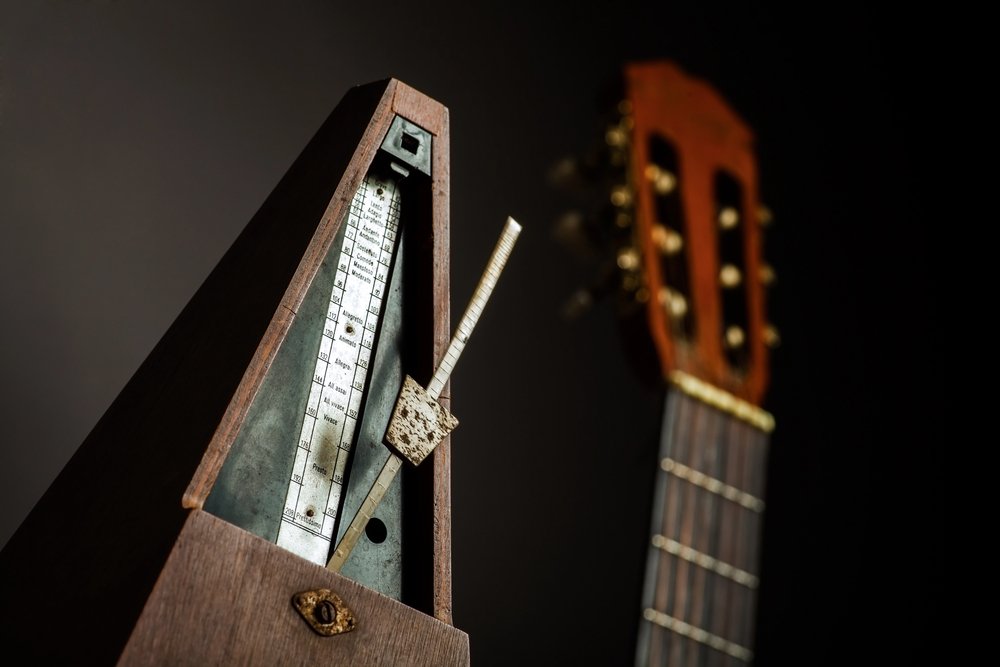
These are the traditional, wind-up devices that use a swinging pendulum to produce a repeated ticking sound. Mechanical metronomes are often favoured for their classic appearance. They also have a visual element, as the pendulum swings back and forth, providing a visual cue along with the auditory click.
These metronomes use a wound-up spring to power a swinging pendulum. As the pendulum swings back and forth, it produces a clicking sound at regular intervals. The tempo can be adjusted by moving a weight up or down the pendulum arm. The higher the weight, the slower the tempo, and vice versa.

Electronic Metronomes
These digital devices offer more features and greater precision than their mechanical counterparts. Electronic metronomes can produce a variety of sounds, such as beeps, clicks, or even drum beats. They often come with additional functions like different time signatures and the ability to program complex rhythms.
Digital metronomes use electronic circuits to generate a steady pulse. The tempo is set using buttons or dials, and the metronome produces sound through a built-in speaker or headphones. Some also include visual indicators, such as flashing lights, to provide a visual cue for the beat.

Software Metronomes
With the advent of technology, many musicians now use metronome apps on their smartphones, tablets, or computers. These apps often include advanced features such as customizable sounds, visual cues, and the ability to save settings for different practice sessions.
These work by using the processing power of a computer or mobile device to generate a precise metronomic beat. Users can adjust the tempo, time signature, and other settings through a user interface. These apps often offer more flexibility and advanced features compared to their mechanical and electronic counterparts.

Benefits of Using a Metronome
Using a metronome offers numerous benefits for musicians, regardless of their instrument or skill level. Some of the key advantages include:
- Improving Timing and Rhythm:
Practicing with a metronome helps develop a strong sense of timing and rhythm. It ensures that you play each note or beat at the correct time, which is crucial for playing music accurately. - Tempo Control and Consistency:
A metronome helps you maintain a consistent tempo throughout a piece of music. This is especially important for longer pieces where it can be challenging to keep a steady tempo from start to finish. - Increasing Speed and Accuracy:
Metronomes allow you to practice at different tempos, allowing you increase your speed and accuracy. You can start slow to ensure precision and then gradually increase the tempo over time as you become more comfortable with the piece.

Tips for Using a Metronome in Practice
A metronome can be used for practicing warm-ups, exercises, scales, or a piece of music. To get the most out of your metronome practice, consider the following 10 tips:
- Listen Carefully:
Before you attempt to practice along to a metronome, turn it to your desired tempo and simply listen to the pulse. Make sure you are actively listening to where the metronome beats are landing in relation to the piece of music you are practicing. - Use a Metronome for Warm-Ups:
Incorporate the metronome into your warm-up routine. Practicing scales, arpeggios, or technical exercises with a metronome helps set a solid foundation for the rest of your practice session. - Start Slow:
Begin practicing a new piece of music or challenging section at a slow tempo. This allows you to focus on accuracy and precision over speed. Then you can gradually increase the tempo over time as you become more comfortable. - Break It Down:
Divide difficult passages into smaller sections and practice each section separately with the metronome before putting them together. - Accent the Beat:
Set the metronome to accentuate the first beat of each measure. This helps you stay aware of the downbeat and maintain the structure of the music. - Remain Consistent:
Use the metronome regularly to develop a consistent sense of timing and internalize the beat. You can even incorporate the beat into your body by tapping your foot. - Use for for Sight-Reading:
Incorporate the metronome into sight-reading practice to improve your ability to read and play music accurately in real-time. - Practice With and Without:
While practicing with a metronome is crucial, it’s also important to play without it to develop your internal sense of timing. Alternate between using the metronome and playing without it to ensure you can maintain a steady tempo independently. - Use Visual Cues:
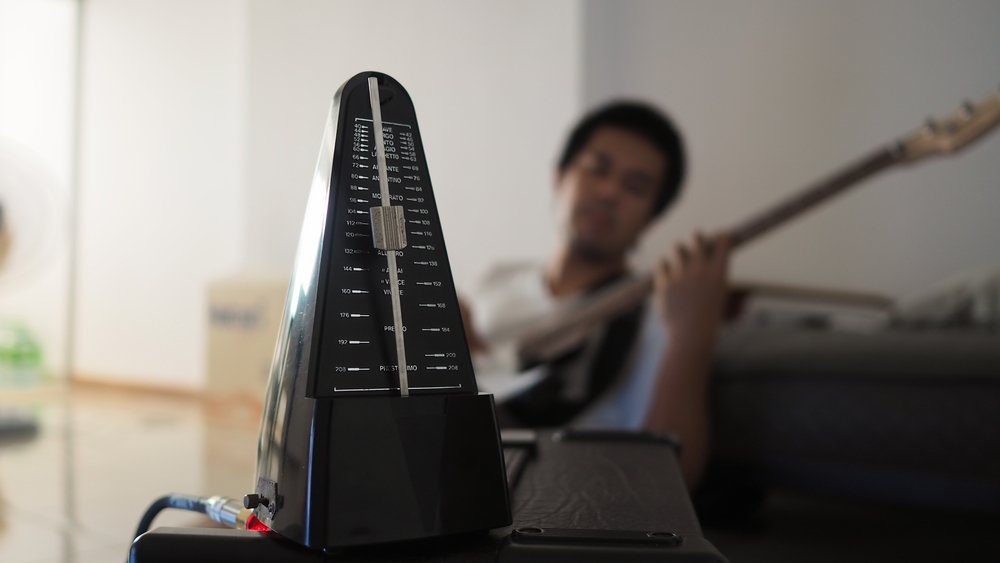
If you find it challenging to hear the click, consider using one with visual cues, such as a flashing light or a swinging pendulum. Visual cues can provide an additional reference point and make it easier to stay in time. - Record Yourself:
Recording your practice sessions can provide valuable feedback. Listen to the recordings to identify areas where you might be rushing or dragging the tempo and adjust your practice accordingly.

Be patient with yourself and stay committed to using the metronome regularly.
Common Challenges to Metronome Practice
Using a metronome can present certain challenges, especially for beginners. Here are some common issues and strategies to overcome them:
- Rushing or Dragging:
It’s common to rush or drag the tempo when first using a metronome. To combat this, practice at a slower tempo and focus on playing precisely with the beat. Gradually increase the tempo as you become more comfortable. - Difficulty Hearing the Click:
If you’re having trouble hearing the metronome over your instrument, try using headphones or connecting the metronome to an external speaker. Some electronic metronomes also allow you to adjust the volume or change the sound effect to something more audible. - Losing the Beat:
This is another common challenge beginners experience. If you find yourself losing the beat, slow down the tempo and focus on smaller sections until you can play them consistently with the metronome without getting lost. - Feeling Mechanical or Stiff:
Initially, practicing with a metronome can feel rigid. To combat this, incorporate expressive playing and dynamics, ensuring the metronome serves as a guide rather than a constraint. - Staying Consistent:
Consistency is key when using a metronome. Make it a regular part of your practice routine and set specific goals for each session. Over time, you’ll notice significant improvements in your timing and rhythm.
Conclusion
A metronome is a powerful tool that can transform your practice sessions, enhance your sense of timing, and improve your overall musicianship. By understanding how a it works and incorporating it effectively into your practice routine, you can achieve greater precision, consistency, and musicality in your playing.
Whether you are a beginner learning the basics or an advanced musician mastering complex rhythms, the metronome is an invaluable companion on your musical journey. Embrace its benefits, experiment with different techniques, and watch as your skills grow and flourish.


Pretty! This was a really wonderful article. Thanks for supplying these details.
I’ve built a very convenient metronome tool which can be used in a browser. Please check it out metronomelite.com
Hi Volodymyr, thanks for visiting our blog! We’ll be sure to check out your online metronome tool. Thanks for your comment!
This article was incredibly insightful! Your detailed explanations and well-organized content made it easy to follow along. I appreciate the practical examples you included, as they really helped to illustrate your points. Thank you for sharing such valuable information.
Thanks so much, Jonathan!